Oct 14, 2011

The most famous movie couples for Halloween

By Steven Mandzik

Halloween Series

Fabulous movie costumes for Halloween (Ladies Edition)

The best movie costumes for Halloween (Guys Edition)

Now the couples…


Mad Men
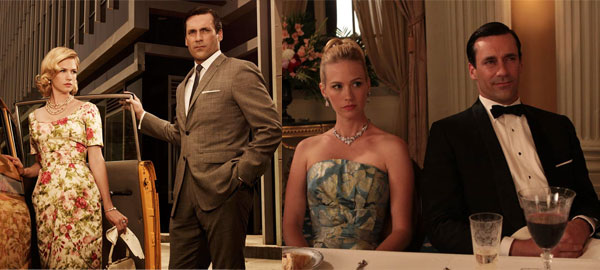
don draper betty hofstadt january jones jon hamm mad men amc The most famous movie couples for Halloween

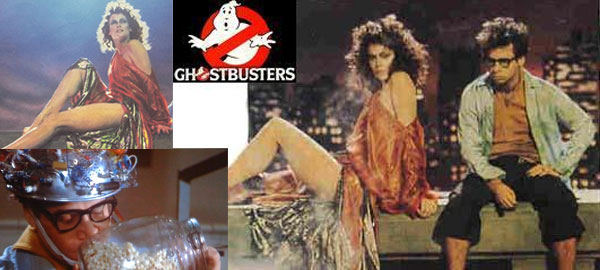
Gatekeeper and Keymaster


gatekeeper keymaster ghostbusters rick moranis sigourney weaver The most famous movie couples for Halloween

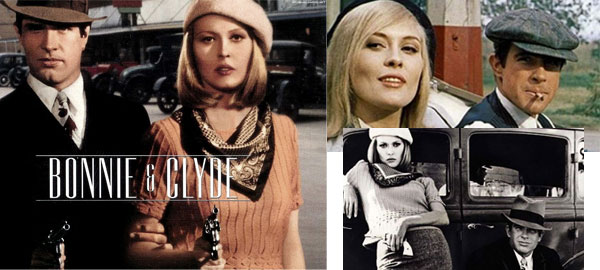
Bonnie & Clyde

bonnie clyde faye dunaway warren beatty The most famous movie couples for Halloween

Little Red Riding Hood and the Big Bad Wolf
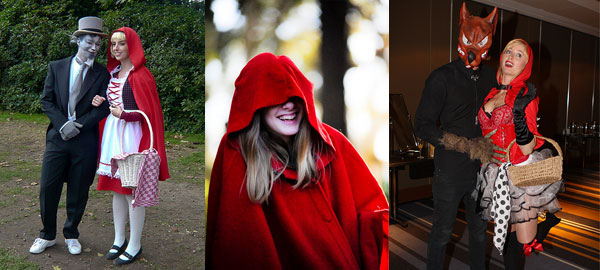
wolf little red riding hood costumes The most famous movie couples for Halloween

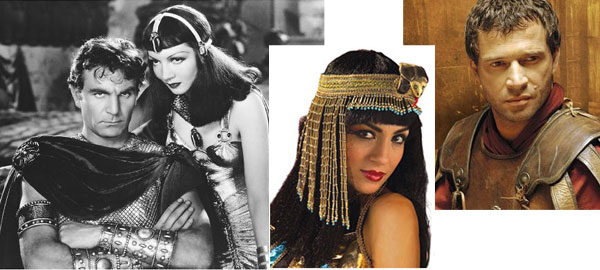
Cleopatra & Marc Antony

cleopatra marc antony roman rome egypt costume movie The most famous movie couples for Halloween

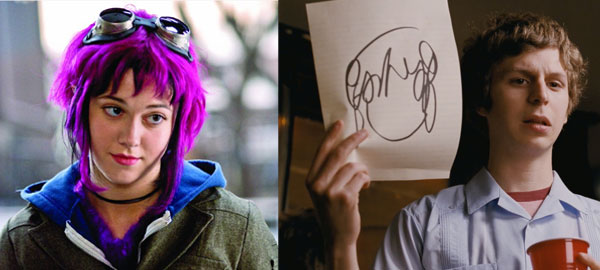
Scott Pilgrim vs. the World (w/ Ramona Flowers)
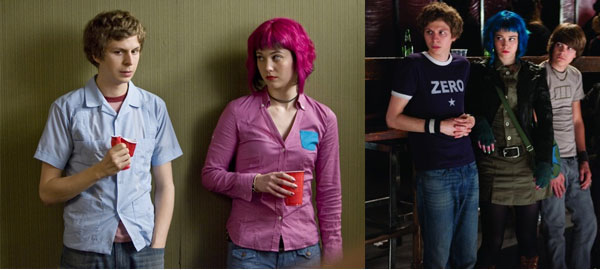
scott pilgrim vs world ramona flowers The most famous movie couples for Halloween

scott pilgrim vs world ramona flowers drawing goggles The most famous movie couples for Halloween

Morticia & Gomez Addams

morticia gomez addams gothic family tv movie morbid The most famous movie couples for Halloween

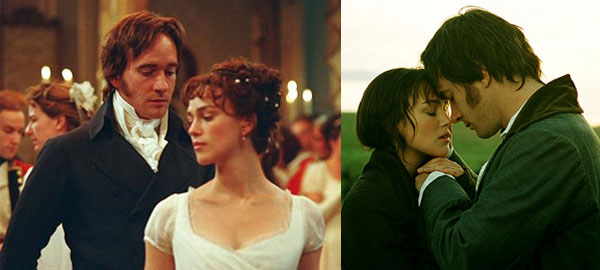
Elizabeth Bennet & Mr. Darcy

mr darcy elizabeth bennet pride prejudice dancing kissing The most famous movie couples for Halloween

Back-Ups


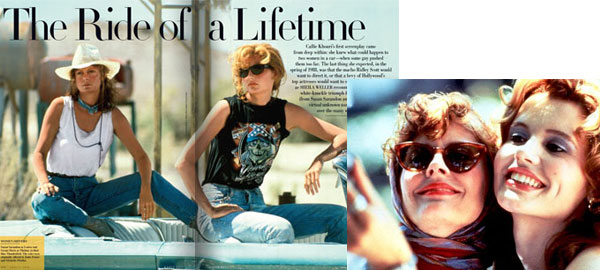
Thelma & Louise

thelma louise geena davis susan sarandon The most famous movie couples for Halloween

Maverick & Goose

tom cruise maverick anthony edwards goose top gun pilots The most famous movie couples for Halloween

Runners Up

Barack & Michelle, Mickey & Minnie, The Incredibles, Claire & Bender, Clarence & Alabama (True Romance), Gone With the Wind, Zack & Kelly, Victoria & David, Harry and Sally, Viola & William Shakespeare, Bobby & Whitney, Bella & Edward

Photos

Eva Rinaldi (red wolf), pperreijn (gray wolf), tibchris (red riding hood), colorinchi (Darcy, Elizabeth head-touch), colorinchi (Darcy, Elizabeth dancing)


MORE…


Fabulous movie costumes for Halloween (Ladies Edition)

The best movie costumes for Halloween (Guys Edition)

5 Comments

  • Kelcy says:

     think the solution to a happiness-based model is really just “based on people working less and owning less.”  You need to think deeply about  what “work” is.  Are we defining it as soul-sucking time spent acquiring money in order to pay debts built from acquiring stuff?  Does it include a sense of satisfaction at seeing something created, sustained or used. How is work tied to the stuff we acquire and what additional costs are part of working (e.g. commuting).  I would look to the Maker movement and the challenge and satisfaction of creating our own things.  But I would stipulate that “working less” may be something very different depending on what work we do.  

    • 1X57 says:

      thanks kelcy. DIY and the Maker movement is definitely on our radar. we specifically asked Dale Dougherty to be a part of the event we’re producing in Vancouver b/c of this: http://www.expertclick.com/NewsReleaseWire/Futurist_Inventors_Welcome_Dale_Dougherty_to_Vancouver,201136588.aspx

  • Urchin says:

    As I read this, I had multiple thoughts:
    - Is your premise true that consumer-driven growth model broken?  Your anectdotal evidence of contemporary capitalism, which is causing a global crisis of unconscionable proportions – with food and energy prices soaring, world populations surging, and weather-related disasters like tornadoes, tsunamis, droughts, fires and floods increasing in frequency and scale…I’m not sure you can prove cause & effect???
    - In order to answer the question, I think you would want to find the actual causes or variables that make up consumer-driven growth: generational, cultural, periods of war, and so on.
    - Digging deeper into the second bullet, I believe would give you a better chance in studying the question & coming up with some plausible solutions. 

    • @Urchin -  I totally agree. I was at the dinner with them and I felt like the blame was being placed in the wrong area.

      I would argue that we are not a consumer driven society in the first place. That’s like saying my garden is a vegetable based operation. It totally ignores all the extreme effort it takes to create the vegetable. The soil, the tilling, the weeding, the watering, the harvesting, and then finally the eating.

      I think we have let economists define us using an easy measure of production. I can measure my garden by saying how many vegetables it produces but it only covers about 10% of the process.

      This is especially problematic considering that all the change, innovation, and failure is occurring in the process before consumption. Look at cars for example. We are still buying cars, a lot of them, but the car industry still collapsed. They needed to change their process and the like.

      In food, the same is true, we have an ever increasing demand for food but are ignoring the process behind it. Prices are rising for reasons totally unrelated to consumption.

      On the whole I would recommend a definition  of life-cycle consumption. Determining an economic measurement that quantifies multiple levels in the creation and consumption process. Each one is interrelated and can be tracked for growth, weakness, etc.

  • Kelcy says:

    I just came across an interesting article that discusses aspects of what you are trying to define.  I haven’t read the books they reference near the end, but they may also give some additional insights that have value to this quest. http://www.independent.co.uk/opinion/commentators/stefan-stern-behind-corporate-walls-the-masters-of-the-universe-weep-2297910.html